
What Athletes Should Know Before Booking an Athletic Trainer Near Me in Bucks County
Search for an athletic trainer near me and the results usually mix two very different professionals. One is the certified athletic trainer, a licensed healthcare provider who works in schools, clinics, and pro sports evaluating and managing injuries. The other is the performance coach or strength and conditioning trainer, who designs workouts aimed at making athletes stronger, faster, and more durable. Both play a role in an athlete's development, and knowing which one you need saves a lot of wasted time and money.
Benefits of Athletic Training When the Plan Matches the Athlete
Structured athletic training gives an athlete a plan instead of random workouts. Strength work develops the muscles that support joints, conditioning improves the ability to repeat hard efforts, and mobility training keeps hips, ankles, and shoulders moving through a healthy range. Put together in the right order, those pieces help athletes feel more prepared for the physical demands of their sport. A simple, consistent program done two or three times a week tends to do more good than sporadic hard workouts squeezed in whenever there is time.
Injury prevention is part of the picture too, though it is about lowering risk rather than eliminating it. Warm-up routines like the FIFA 11+ program, landing mechanics training, and balanced strength work are widely used to reduce common injury risks in field and court sports. Recovery habits such as sleep, hydration, and planned rest days round out a program that supports long-term athletic performance.
Mental Performance Belongs in the Plan Too
Strength and speed only matter if an athlete can use them under pressure. Mental performance coaching works on focus, pre-game routines, confidence after mistakes, and handling the nerves that come with tryouts and big games. Training4Athletes lists mental performance as its own category, which makes it simple to add that support alongside physical training.
How an Athletic Trainer Helps Athletes Train With a Clear, Measurable Plan
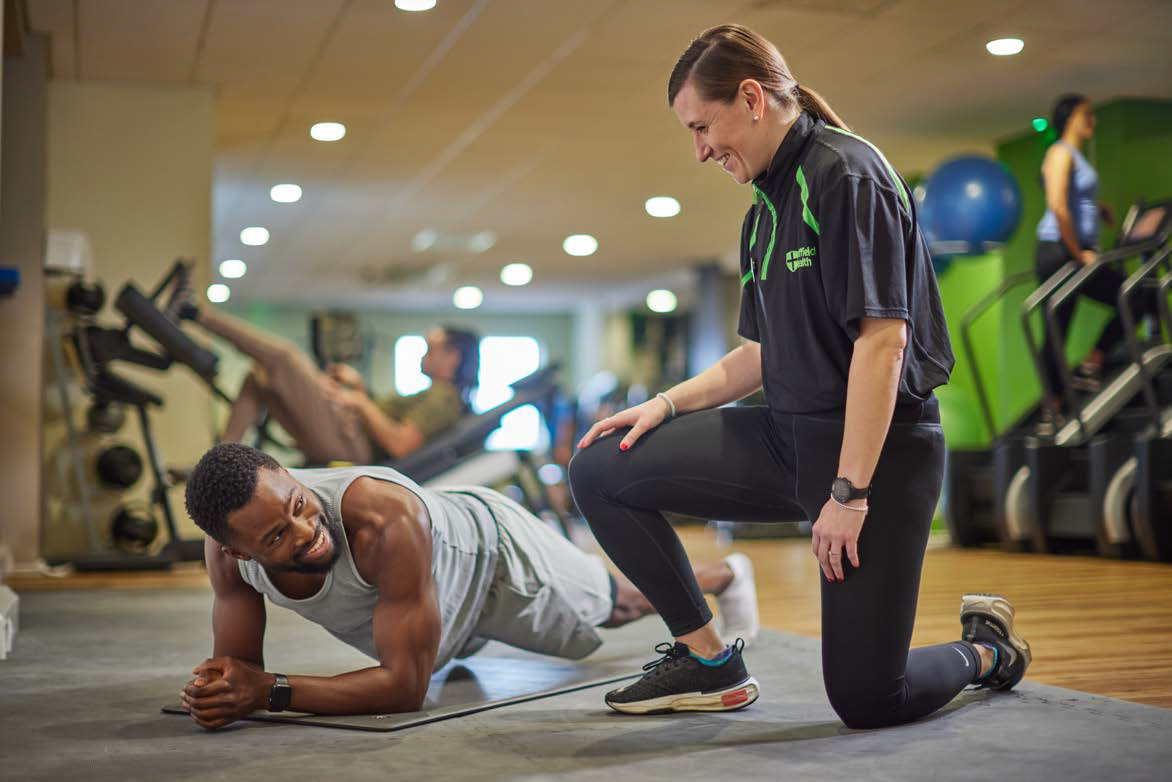
Most quality programs begin with an assessment. A trainer looks at movement patterns, strength levels, flexibility, and sport demands, then sets priorities based on what they find. A sprinter with tight hips and a volleyball player with weak landing mechanics need very different starting points, even if both want to improve speed and agility. Many trainers also ask about past injuries, the competition schedule, and personal goals during that first meeting.
From there, the trainer manages progression so workloads increase gradually, which matters for teens balancing school sports, club teams, and growth spurts. A good athletic trainer near me option also knows when something falls outside their lane. Pain, swelling, or a suspected injury calls for a licensed athletic trainer, physical therapist, or physician, and the best performance coaches refer athletes to those professionals without hesitation.
What a Well-Rounded Program Usually Includes
- Strength training with proper technique, using bodyweight, free weights, or bands depending on age and experience.
- Speed and agility drills that teach acceleration, deceleration, and clean changes of direction.
- Mobility and flexibility work that keeps joints moving well through the ranges a sport demands.
- Endurance and conditioning sessions matched to the energy demands of the athlete's sport.
- Recovery planning, including rest days, warm-ups, and cool-downs, so training load stays manageable.
Credentials Worth Checking Before the First Session
For injury care, look for the ATC credential, which means the provider passed the Board of Certification exam, along with a Pennsylvania license to practice. For strength and speed work, the CSCS from the National Strength and Conditioning Association is one of the most respected certifications in the field. Directory listings come from independent providers, so ask about credentials directly and confirm them before booking.
Athletic Training for Different Sports Across Bucks County Teams
Every sport asks something different of the body, so good programs never look identical from one athlete to the next. A lacrosse midfielder needs repeat sprint ability and change of direction, a swimmer needs shoulder stability and core strength, and a wrestler needs strength, endurance, and mobility in nearly equal measure. Searching by sport on Training4Athletes helps narrow the list to trainers who already work with athletes in that game.
Seasons matter too. High school sports in the Suburban One League run across fall, winter, and spring, and many athletes play more than one. An athletic trainer near me search should lead to someone who adjusts the plan for in-season maintenance, off-season development, and the short transition between sports, rather than running the same program in March and in October.
Common Training Priorities by Sport
The table below shows how training priorities often shift from one sport to the next.
| Sport | Common Training Priorities | Typical Focus Areas |
|---|---|---|
| Basketball | Vertical power, lateral quickness, conditioning | Landing mechanics, ankle and hip stability |
| Soccer | Repeat sprint ability, agility, endurance | Hamstring strength, change of direction |
| Baseball and Softball | Rotational power, arm care, first-step speed | Shoulder stability, core strength |
| Football | Strength, acceleration, power | Neck and shoulder strength, conditioning |
| Lacrosse and Field Hockey | Speed, agility, endurance | Hip mobility, deceleration control |
| Swimming | Core strength, shoulder stability, aerobic capacity | Mobility, posture, dryland strength |
Book Performance Trainers and Specialists Online Through Training4Athletes
Strength coaches, performance trainers, and mental performance specialists sit side by side in one searchable directory on Training4Athletes, so the next athletic trainer near me search ends with the right kind of support instead of a guess. Filter by category and zip code, compare each trainer's services and pricing, and read what athletes and parents say about working with them before committing to a single session in Newtown, Warrington, or anywhere nearby.
Book a consultation or a first training session, pay securely online, and manage your sessions from one dashboard instead of chasing texts, voicemails, and paper schedules. Training4Athletes keeps the options, the reviews, and the booking together in a single place, and our platform leaves athletes across Bucks County free to focus on what matters most, which is showing up ready and putting in the work from preseason to playoffs.
FAQS
What is the difference between an athletic trainer and a personal trainer?
A certified athletic trainer is a licensed healthcare professional who prevents, evaluates, and manages injuries under physician direction. A personal or performance trainer focuses on exercise programming for strength, speed, and fitness.
Should an injury be handled by a performance coach?
No, pain or a suspected injury should be evaluated by a licensed athletic trainer, physical therapist, or physician. Performance coaches can help with training once a medical professional clears the athlete.
What credentials should a strength and conditioning coach have?
Common credentials include the CSCS from the National Strength and Conditioning Association and degrees in exercise science or kinesiology. Experience with athletes in the same sport and age group matters just as much.
Can teenagers safely do strength training?
Yes, supervised strength training with proper technique is widely supported for teen athletes. Programs should start with bodyweight and light loads, then progress gradually.
How long does it take to see progress from athletic training?
Many athletes notice better movement and strength within six to eight weeks of consistent work. Progress varies with age, schedule, effort, and starting point, so no timeline is guaranteed.