
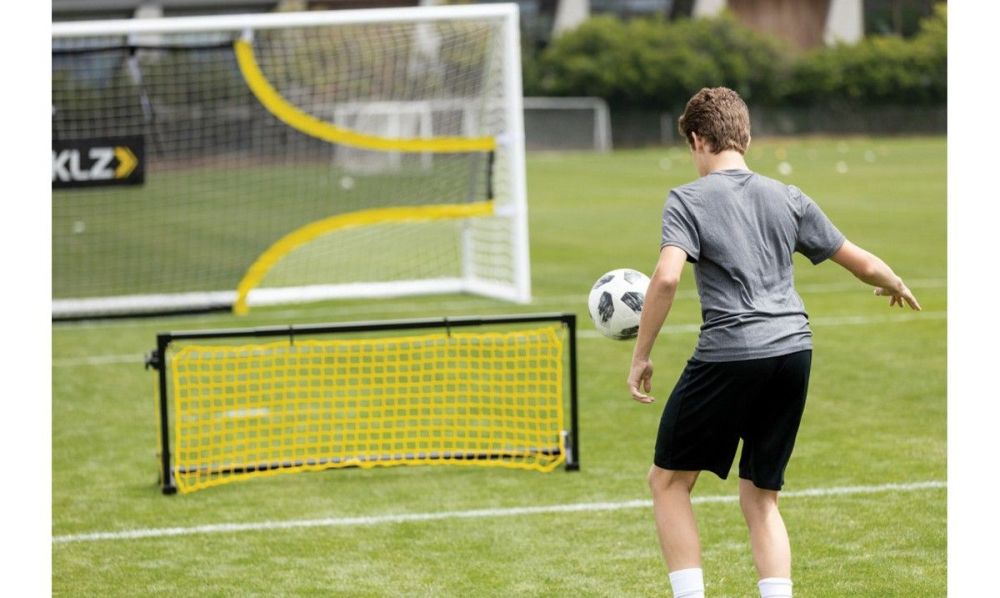
What a Soccer Trainer Near Me Brings to Ball Control, Speed, and Game Confidence
A youth soccer player can spend a full team practice and get only a handful of meaningful touches on the ball. Drills run in lines, scrimmages crowd the field, and the coach has twenty kids to manage. Private and small group training flips that ratio, and it is the main reason parents of club and travel players across Bucks County start searching for a soccer trainer near me once the fall season wraps up. A single focused hour can pack in hundreds of quality touches, and that volume tends to show up in how comfortable a player looks on the ball.
Benefits of Soccer Training When Each Touch Gets a Coach's Eye
Ball control sits at the center of everything in soccer, and it improves fastest with repetition plus feedback. A trainer watches the first touch, the angle of the body, and the weight of each pass, then corrects small details a team coach rarely has time to address. Over weeks, those corrections add up to a player who receives under pressure calmly instead of panicking when a defender closes in.
Training also sharpens the athletic side of the game. Speed, agility, and fitness work woven into ball drills helps players win races to loose balls and keep their technique clean late in a match. Confidence grows alongside it, and a confident player asks for the ball more, takes on defenders, and contributes to teamwork in ways that coaches and teammates notice.
Where Players Often Notice the Difference First
- First touch gets cleaner, so the ball stops closer to the foot and the next move comes faster.
- Passing becomes more accurate with both feet, which opens up options on the weak side of the field.
- Dribbling in tight spaces improves as players learn to use the inside, outside, and sole of the foot.
- Shooting technique tightens up, with better plant foot placement and more control over power and placement.
- Decision making speeds up because players spend less mental energy just keeping the ball under control.
How a Soccer Trainer Helps Players Grow Inside and Outside the Club Schedule
Most club players already have two or three team practices a week, so the best private trainers fill gaps rather than duplicate them. A soccer trainer near me who coordinates with what the club coach is teaching can focus on the specific skills holding a player back, whether that is weak-foot passing, defending one-on-one, or finishing under pressure. Some trainers even ask for a short clip from a recent game so they can see the player in a real match setting.
Trainers also help players get ready for key moments on the calendar, like club tryouts in late spring, high school preseason in August, or a move up to a more competitive team. Sessions can shift toward fitness and sharpness ahead of those windows, then back toward technical work once the season settles in.
Private Sessions Versus Small Group Training
Private sessions give a player the trainer's full attention and the most touches per hour, which suits players working on a specific weakness. Small groups of three to six add game-like pressure, competition, and passing partners, often at a lower cost per player. Many families start private to fix fundamentals, then shift into a small group once the player is ready for more live play.
Futsal and Indoor Options for the Winter Months
Bucks County winters push a lot of soccer indoors, and that works in a player's favor. Futsal and small-sided indoor sessions use a smaller, heavier ball and tight spaces, which forces quicker decisions and sharper close control. Many trainers run indoor sessions from November through March, giving players a way to keep developing until outdoor fields open back up in spring.
What to Look for in a Soccer Trainer Before the First Session
Coaching licenses offer a helpful starting point. U.S. Soccer grassroots, D, C, B, and A licenses show a trainer has completed formal coaching education, and many experienced trainers also bring college or professional playing backgrounds. Neither one guarantees a good fit, though, so look closely at the age groups a trainer works with and how they describe their sessions.
Comparing results from a soccer trainer near me search gets much easier when profiles sit side by side. Training4Athletes shows services, pricing, and real reviews from other parents on each listing, so families can narrow the list quickly. Because trainers on the platform are independent providers, ask about licenses, CPR certification, and Pennsylvania clearances before booking, and pay attention to how clearly each trainer answers.
Signs a Trainer Is the Right Match for Your Player
The right trainer explains the purpose behind each drill, adjusts the session when a player struggles, and sends them home with something specific to practice. Sessions feel challenging but positive, and the player leaves wanting to come back. If a trainer runs the same routine for every age and ability, or spends more time talking than coaching, keep looking. A single trial session usually reveals more than any profile can.
Line Up Soccer Trainers, Camps, and Events in One Place on Training4Athletes
Soccer families juggle a lot of moving parts, and Training4Athletes pulls them into one home base. Private trainers, small group sessions, sports camps across Bucks County, local events, and team opportunities sit on the same platform, so winter foot skills, a summer camp week, and fall tryout prep can get planned together without a dozen open websites. Search by sport and zip code, and options near Newtown, Langhorne, or Quakertown come right up.
Call a trainer straight from their listing, or schedule a training session online once the fit feels right and your player's schedule allows. Our platform keeps your player's whole soccer calendar organized from one account, and a quick soccer trainer near me search on Training4Athletes is the easiest way to give your athlete more touches, more confidence, and a dedicated coach close to home before the next round of club tryouts arrives.
FAQS
How often should a youth soccer player train privately?
One session a week alongside club practice is a common starting point. Players preparing for tryouts or a move up in level sometimes add a second session for a few weeks.
What should a player bring to a soccer training session?
Most trainers ask players to bring a ball, cleats or turf shoes, shin guards, and water. Some indoor sessions require flat-soled shoes instead of cleats.
What do U.S. Soccer coaching licenses mean?
They show a coach has completed formal education through the U.S. Soccer licensing pathway. Grassroots licenses cover the basics, while C, B, and A licenses involve deeper training and assessment.
Can private training help a player make a club team?
Training can improve the skills and fitness coaches evaluate at tryouts, though no trainer can guarantee a roster spot. Focused work on weaknesses gives a player a better chance to show what they can do.
Does Training4Athletes list soccer camps too?
Yes, Training4Athletes includes sports camps, events, and team opportunities alongside private trainers. Families can search by sport and zip code to find options across Bucks County.