
How to Pick Sports Performance Training Near Me for Your Sport, Age, and Season
Talent gets an athlete noticed, but the hours spent getting stronger, faster, and more coordinated are often what keep them on the field. Plenty of middle and high school athletes across Bucks County train outside of team practice, and the options range from big gym classes to small performance studios run by former college athletes. Sorting through sports performance training near me results takes a little know-how, because the right program depends on the sport, the athlete's age, and the time of year.
Benefits of Sports Performance Training for Developing Athletes
Sports performance training develops the physical qualities every sport relies on. Strength provides the foundation, speed and agility training sharpen how athletes accelerate and change direction, and conditioning and endurance work help them repeat high-effort plays across a full game. Coordination and mobility tie those qualities together so movement looks smooth instead of forced. Training them together helps athletes feel more prepared for the pace and physical contact of their sport.
For younger athletes, the bigger benefit is long-term athletic development. Learning to squat, hinge, land, and sprint with good mechanics at twelve or thirteen sets up safer, more productive training in high school and beyond. Results vary from athlete to athlete, but the right sports performance training near me option gives each one a clear path and a way to track progress over time.
Signs an Athlete Is Ready for Performance Training
- The athlete can follow multi-step instructions and stay focused through a full session.
- They play at least one organized sport and want to improve how they move, not only how they play.
- They are willing to learn proper technique before adding heavier weights or faster drills.
- Their schedule leaves room for recovery between team practices, games, and training sessions.
- A parent or coach has noticed speed, strength, or coordination holding them back in games.
How Performance Training Helps Athletes Move Better in Their Sport
Quality programs start by testing simple markers like sprint times, vertical jump, and movement screens, then repeat those tests every few weeks. That data is the difference between a random workout and a real plan, and it is one of the first things worth asking about when comparing programs.
Coaches also manage training load around the competitive calendar. Heavy strength blocks fit best in the off-season, while in-season work shifts toward maintaining strength, sharpening speed, and supporting recovery. That balance keeps athletes fresh for games instead of sore and flat, which is why the timing of training matters almost as much as the training itself. Skipping that planning risks sending tired athletes into the most important stretch of their season.
What a First Assessment Session Usually Looks Like
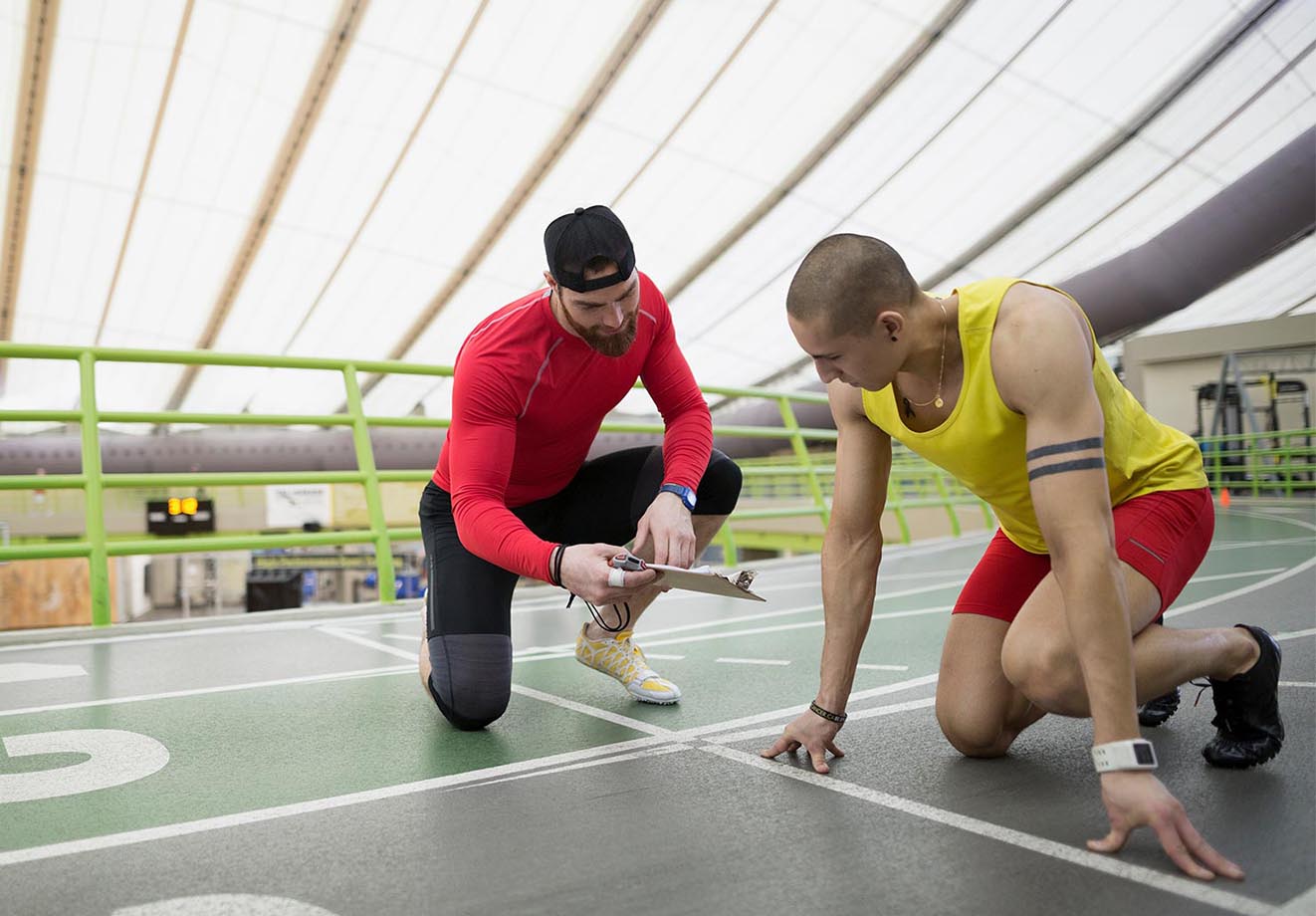
Most programs open with a baseline session before any real training starts. Athletes run short sprints, jump tests, and simple movement screens like squats and lunges, while the coach watches for imbalances and technique issues. The results shape the first training block and give everyone a reference point for checking progress a few weeks later, so improvement gets measured rather than guessed.
Matching Training Phases to the Competitive Calendar
A well-planned year moves through phases. The off-season focuses on strength and fundamentals, preseason shifts toward speed, power, and sport-specific conditioning, and in-season training keeps athletes strong without adding fatigue before games. For multi-sport athletes in the Suburban One League, a good coach adjusts those phases around each season instead of following a fixed template.
Sports-Specific Training Gives Each Athlete a Plan Shaped Around Their Game
General athleticism is the base, but sport-specific training sharpens the movements an athlete uses most. A volleyball player spends extra time on jump mechanics and landing control, a hockey player works on single-leg strength and rotational power, and a track sprinter focuses on block starts and top-speed mechanics. Even within one sport, positions differ, so a soccer goalkeeper and a central midfielder should not follow identical plans.
That specialization is why the sport filter matters when searching. Training4Athletes lists performance training alongside more than a dozen sports, from football, lacrosse, and field hockey to gymnastics and swimming, so families can line up sports performance training near me with a coach who understands the demands of their athlete's game.
Questions Worth Asking About Sport-Specific Programs
Ask how a program changes from one sport to another, how often testing happens, and how the coach coordinates with team practice schedules. A coach who can explain those answers clearly and in plain language usually has a thoughtful system behind the work, and that clarity is a good sign the sessions will be organized and purposeful.
Speed and Agility Work for Field and Court Sports
Field and court athletes spend most of a game accelerating, stopping, and changing direction rather than running in a straight line. Agility training teaches efficient deceleration, body position on cuts, and quick reactions to visual cues, which carries over to defending in basketball, cutting in lacrosse, and pressing in soccer. The same skills help athletes stay balanced and in control when play gets chaotic.
Register Free on Training4Athletes and Find Performance Coaches, Camps, and Gear Near You
One free account on Training4Athletes opens up far more than a single trainer's business card. Performance coaches, sport-specific trainers, camps, local events, and vendors offering equipment, training tools, and supplements are organized by sport and location, giving families around Doylestown, Warminster, and Bensalem a complete view of the athletic support available close to home. Planning a full season of training no longer means piecing it together from flyers and word of mouth.
Create your account today, compare programs side by side, and schedule a first assessment with the coach who fits your athlete's sport, age, and season without leaving home. Training4Athletes exists to cut weeks of guesswork down to minutes for busy families, and with real reviews and fast online booking guiding each step, our platform turns a sports performance training near me search into a quick, confident decision instead of an expensive gamble.
FAQS
What age is right for sports performance training?
Many programs welcome athletes from around ten or eleven, starting with movement skills and bodyweight strength. Training becomes more sport-specific and intense through the high school years.
How many days a week should athletes do performance training?
Two to three sessions a week is common in the off-season, dropping to one or two during the competitive season. The right number depends on team practice load and recovery needs.
Is performance training different from a regular gym workout?
Yes, performance training targets athletic qualities like speed, power, agility, and coordination for a specific sport. A general gym workout usually focuses on overall fitness or appearance instead.
Can performance training replace team practice?
No, performance training supports team practice rather than replacing it. Skill work, tactics, and team chemistry still come from time with the team and coach.
How do I compare performance training programs in Bucks County?
Look at coach credentials, testing methods, session size, pricing, and parent reviews. Training4Athletes shows services, pricing, and reviews on each profile, which makes side-by-side comparison quick and free.