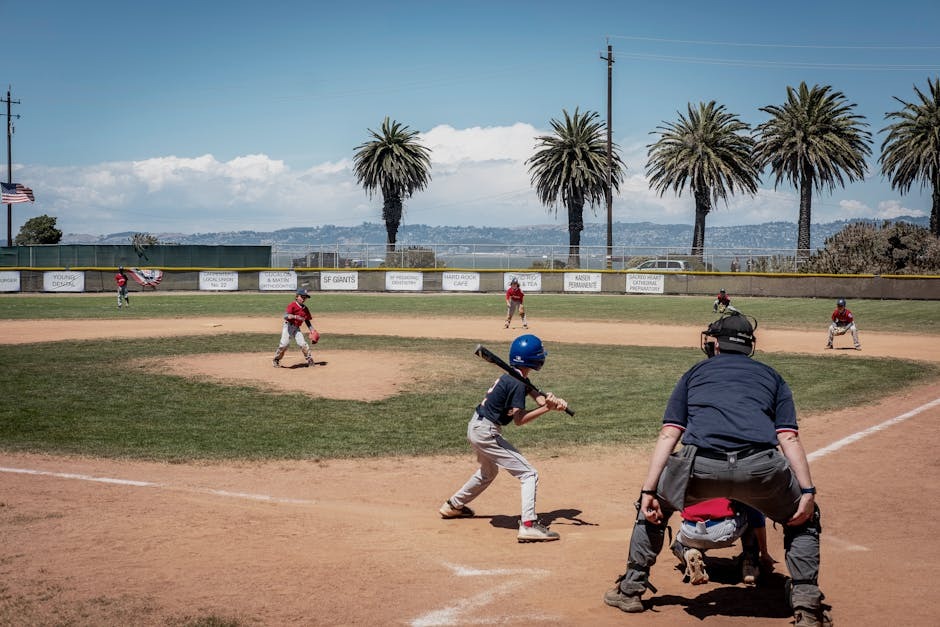
Youth baseball is more than just a game; it\’s a training ground for life skills, teamwork, and personal development. As parents and coaches, we all want to see young players thrive. However, sometimes, well-intentioned coaching can inadvertently hinder a child\’s progress and enjoyment of the sport. This article highlights some common, yet detrimental, baseball coaching habits that can hold kids back and offers practical baseball coaching tips to create a more positive and effective learning environment. Recognizing these pitfalls is the first step toward fostering a love of the game and helping young athletes reach their full potential.
1. Over-Emphasis on Winning at All Costs
In youth baseball, development should always trump winning. While competition is healthy, prioritizing victories above all else can create undue pressure and anxiety for young players.
- The Problem: Coaches who constantly harp on winning often resort to strategies that benefit the team in the short term but stifle individual growth. This might involve playing the \”best\” players in every position, limiting playing time for others, and discouraging risk-taking. It can lead to burnout, decreased confidence, and a fear of failure.
- The Solution: Shift the focus to skill development, effort, and sportsmanship. Celebrate improvements, regardless of the game\’s outcome. Ensure every player gets a chance to play different positions and contribute to the team. Emphasize the learning process and the importance of giving your best effort. Remember, the goal is to build a foundation for long-term success and a lifelong love of baseball.
2. Negative Reinforcement and Public Criticism
Constructive feedback is essential for improvement, but negative reinforcement and public criticism can be incredibly damaging to a young player\’s self-esteem and motivation.
- The Problem: Yelling at players for mistakes, publicly criticizing their performance, or using sarcasm creates a toxic environment. Kids become afraid to make errors, which inhibits their willingness to take risks and learn. It can also lead to resentment towards the coach and the sport itself.
- The Solution: Focus on positive reinforcement. Catch players doing things right and praise their efforts. When providing feedback, do it privately and constructively. Frame criticism as an opportunity for growth and offer specific, actionable advice. Remember, encouragement and support are far more effective than negativity.
3. Neglecting Fundamental Skill Development
Skipping over fundamental skills in favor of advanced strategies is a common mistake, especially as kids get older.
- The Problem: Neglecting the basics – proper throwing mechanics, fielding techniques, hitting fundamentals – creates a weak foundation. Players may be able to get by for a while, but they will eventually plateau and struggle to progress. It also increases the risk of injuries due to improper form.
- The Solution: Dedicate ample time to drilling fundamental skills. Break down complex movements into smaller, manageable steps. Use drills that are engaging and fun. Continuously reinforce the basics, even as players advance to higher levels. A solid foundation is crucial for long-term success.
4. Lack of Individualized Attention
Treating every player the same, regardless of their individual needs and abilities, is a disservice to the team.
- The Problem: Every player learns differently and has unique strengths and weaknesses. A one-size-fits-all approach ignores these differences and can leave some players feeling lost or unchallenged.
- The Solution: Take the time to get to know each player individually. Observe their strengths and weaknesses and tailor your coaching accordingly. Provide individualized feedback and drills to help them improve. Recognize that some players may need more attention or a different approach than others.
5. Over-Coaching and Micromanaging
While guidance is important, over-coaching and micromanaging can stifle a player\’s creativity, decision-making skills, and overall enjoyment of the game.
- The Problem: Constantly telling players what to do, even in game situations, prevents them from developing their own instincts and problem-solving abilities. It can also create a sense of dependency on the coach and undermine their confidence.
- The Solution: Give players the freedom to make their own decisions. Encourage them to think for themselves and learn from their mistakes. Provide guidance and support, but avoid micromanaging every aspect of their game. Trust their abilities and allow them to develop their own style of play.
Conclusion:
Effective baseball coaching tips are rooted in fostering a positive and supportive environment that prioritizes development, sportsmanship, and a love of the game. By avoiding these common coaching pitfalls and embracing a more player-centered approach, we can help young athletes reach their full potential, both on and off the field. Remember, the goal is to create a positive and enriching experience that will stay with them long after they hang up their cleats.