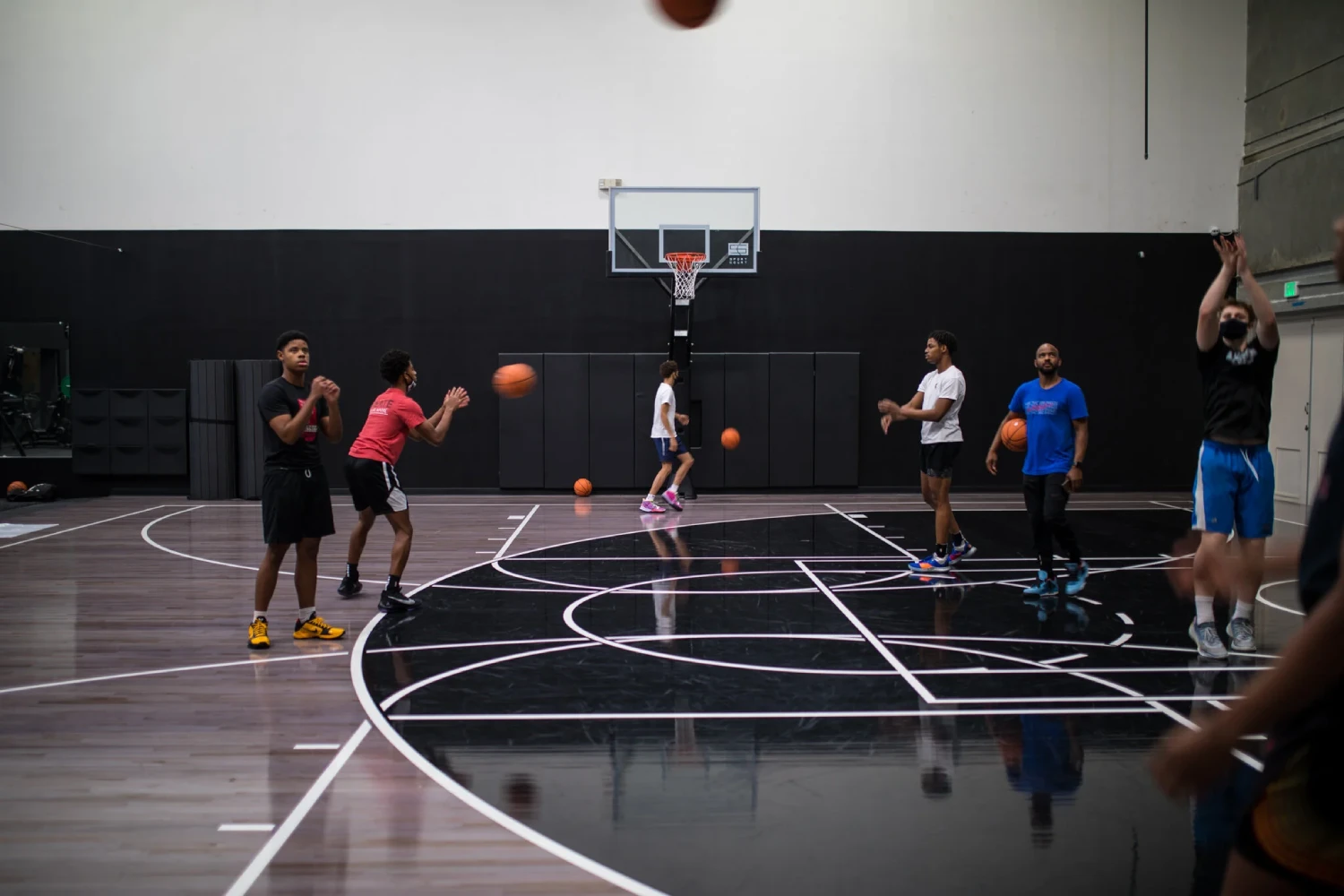
When a parent searches for a basketball trainer near me, the goal is usually bigger than finding someone with a whistle and a gym. Your athlete may need better shooting form, stronger ball control, quicker footwork, or simply someone who can help them feel more confident when the game speeds up.
Basketball growth is personal. One player may struggle to finish at the rim. Another may freeze under defensive pressure. Another may have the skill but not the confidence to use it. Training 4 Athletes helps families search for basketball coaches, trainers, camps, events, teams, and sports resources in one place, so the next step feels easier to find.
Why the Right Basketball Trainer Near Me Can Change Practice Habits
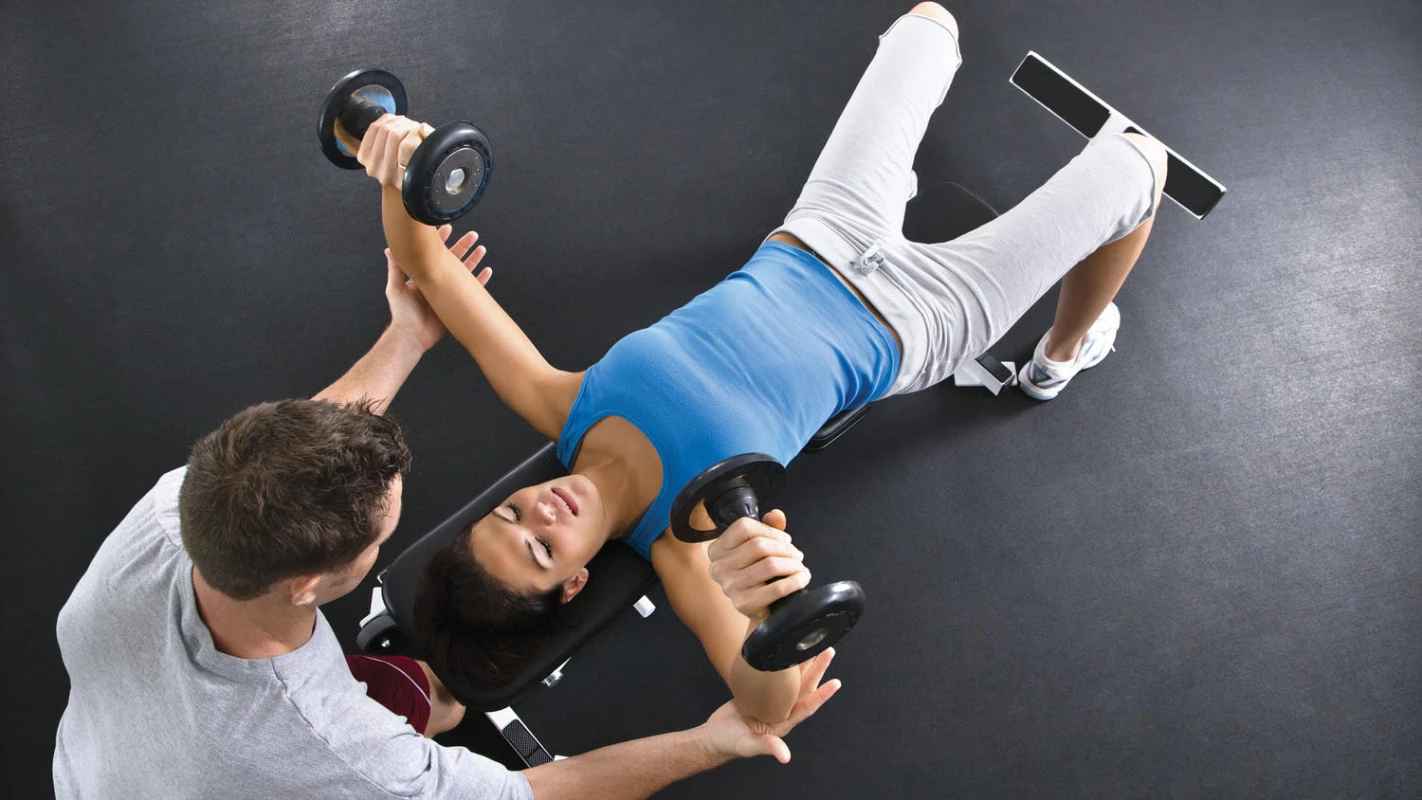
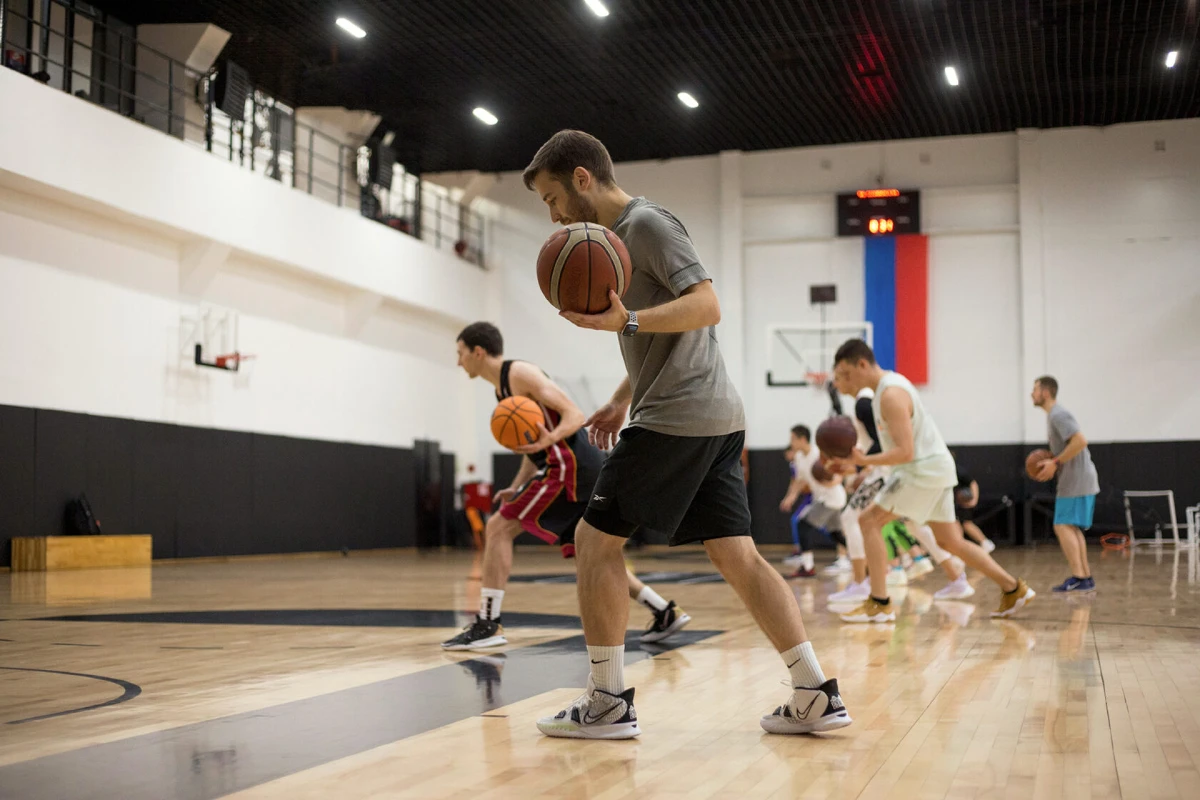
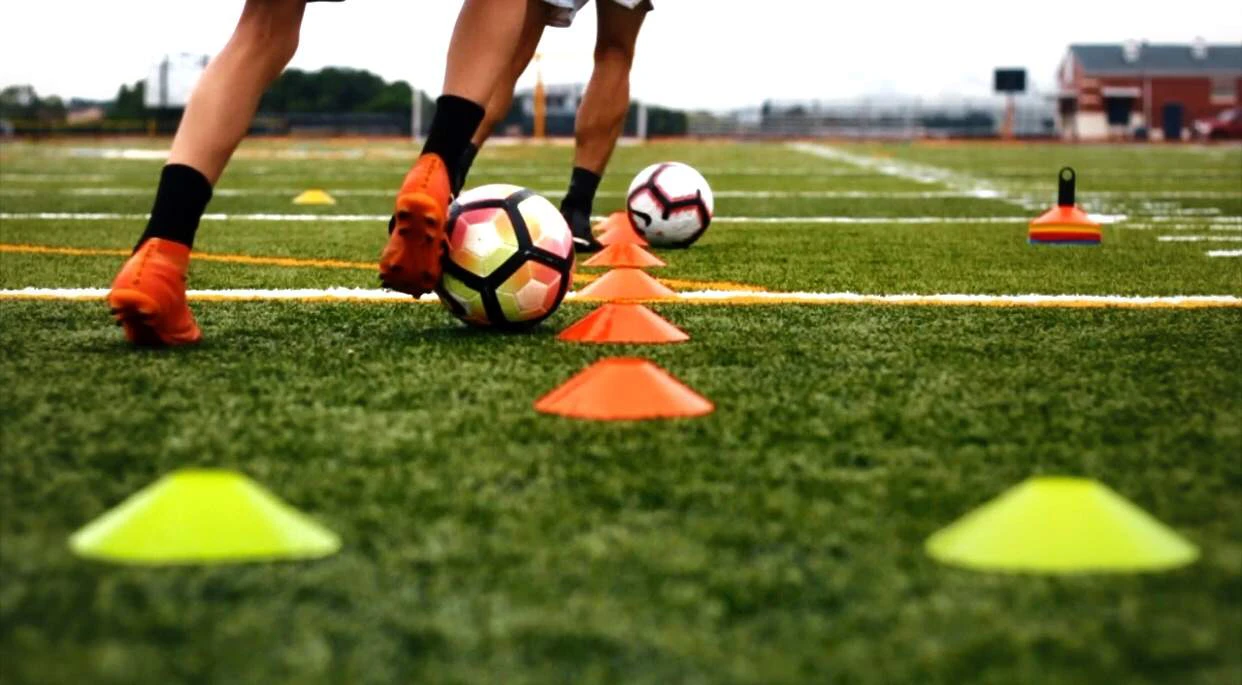
A good trainer does not just run players through cones and shots. They watch how the athlete moves, where hesitation starts, and which habits keep showing up during games.
The right trainer can help turn practice from “just getting reps” into focused improvement. That means each drill has a reason, each correction connects to gameplay, and each session leaves the athlete with something clear to work on.
Training 4 Athletes gives parents a better way to compare local training options without relying only on sideline chatter or group texts.
Start with the Player, Not the Drill
Before choosing a trainer, think about what your athlete actually needs. Basketball training should not feel like the same workout for every player.
A young guard may need tighter handles and passing confidence. A forward may need finishing work, rebounding position, or stronger footwork. A beginner may need basic comfort with the ball, while a competitive player may need advanced decision-making.
Helpful training goals may include:
- Improving shooting mechanics
- Building stronger dribbling control
- Learning how to finish through contact
- Moving better without the ball
- Defending with balance
- Preparing for tryouts
- Improving conditioning
- Building confidence during pressure moments
When the goal is clear, parents can choose a trainer with more direction.
Questions to Ask a Basketball Trainer Near Me Before Booking
Before booking a session, parents should ask questions that reveal how the trainer works.
Good questions include:
- What age groups do you usually train?
- Do you focus on beginners, advanced players, or both?
- How do you evaluate a player’s current skill level?
- Do you offer private or group sessions?
- What should my athlete practice between sessions?
- Can you help with tryout preparation?
- How do you track progress?
These questions help parents understand whether the trainer offers a plan, not just a workout.
Signs a Trainer May Be a Good Fit
The right fit should feel challenging but not confusing. Your athlete should leave tired, but also more aware of what they are building.
A strong basketball trainer often:
- Gives clear corrections
- Keeps drills connected to gameplay
- Adjusts based on the athlete’s level
- Encourages effort without creating pressure
- Communicates well with parents
- Builds confidence along with skill
- Helps the athlete understand progress
A session should not feel random. It should feel like the player is working toward something specific.
Bring Better Habits to the Next Game
Better basketball does not start with one big moment. It starts with cleaner reps, sharper decisions, and the right voice guiding each practice.
For parents looking for a basketball trainer near me, Training 4 Athletes makes it easier to compare local options and helps your player find support that fits their goals.
FAQs
Q1: What age should a child start basketball training?
Many players can start once they show interest and can follow basic instructions during practice.
Q2: Are private sessions better than group sessions?
Private sessions offer direct attention, while group sessions help players learn spacing, reactions, and teamwork.
Q3: How often should an athlete train?
One or two focused sessions per week can help, depending on goals, schedule, and recovery needs.
Q4: Can training help with tryout confidence?
Yes, focused practice can help athletes feel more prepared, organized, and comfortable under pressure.
Q5: What should parents look for in a trainer?
Look for clear communication, safe instruction, sport knowledge, patience, and drills connected to real play.