From One Season to the Next: Helping Young Athletes Navigate the Transition
Perspective of a High School Coach
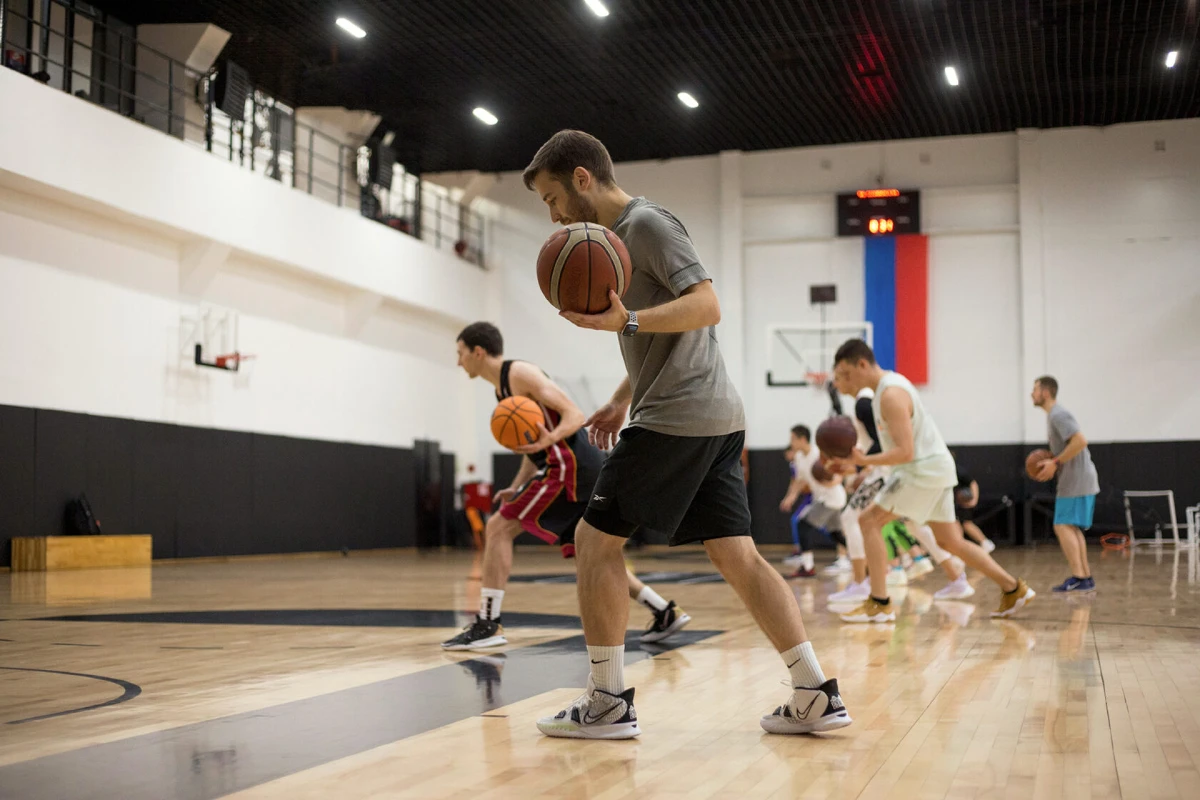
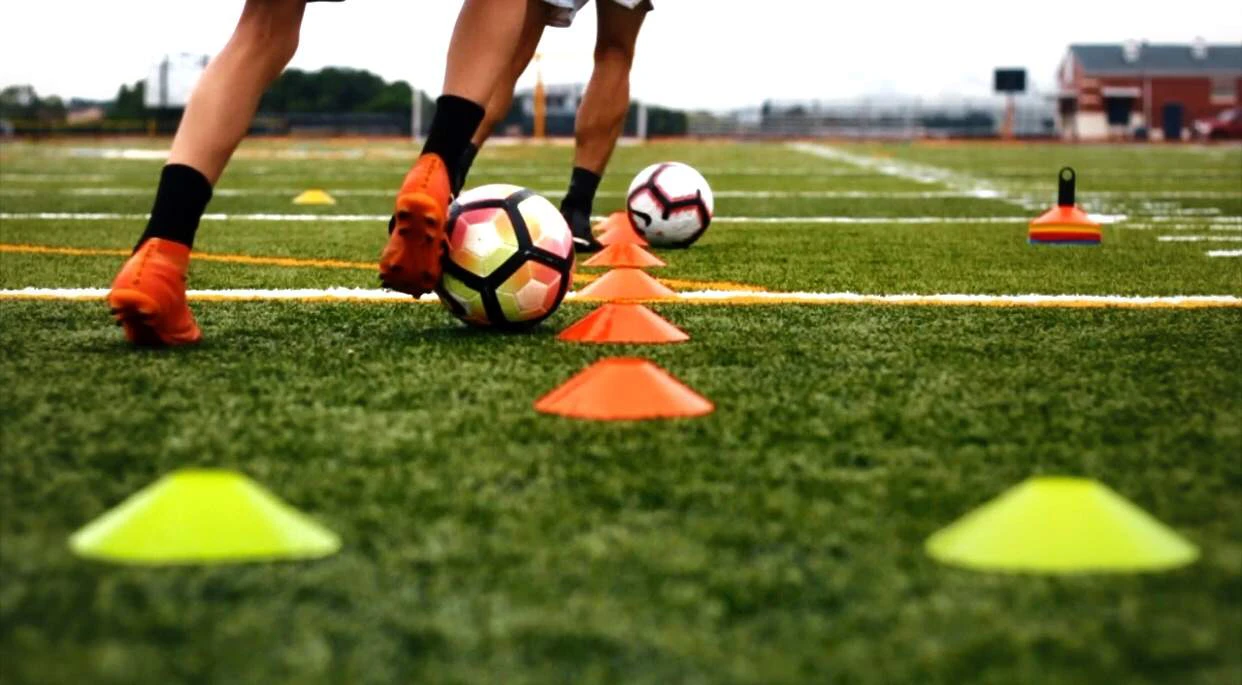
For many young athletes, the sports calendar never really stops. One season ends and another begins almost immediately. In high school athletics it is common to see athletes move from football to basketball, soccer to track, or baseball to summer travel ball with very little downtime in between.
As a high school coach, I have always admired the commitment and passion multi-sport athletes bring to their teams. Playing multiple sports builds well-rounded athletes, prevents burnout from specializing too early, and teaches valuable lessons about adaptability and teamwork. But moving quickly from one season to the next also comes with challenges that young athletes and their families should be aware of.
Understanding those challenges can help athletes transition between seasons in a healthier and more productive way.
The Physical Reset
One of the biggest struggles athletes face when transitioning between seasons is the physical adjustment. Different sports place different demands on the body.
A football player moving into basketball may go from explosive, short bursts of contact to continuous running and agility. A soccer player entering track season might suddenly be focusing on sprint mechanics or distance endurance.
Because of these changes, athletes often feel like they are starting over physically.
Common physical challenges include:
- Muscle soreness from unfamiliar movements
- Fatigue from overlapping conditioning demands
- Increased risk of minor injuries during the adjustment period
- Loss of sport-specific timing or rhythm
As coaches, we try to ease athletes into the new season rather than expecting peak performance on day one.
The Mental Shift
The mental side of sports transitions is just as important as the physical side.
Athletes often go from being a key contributor in one sport to competing for playing time in another. A starting soccer player might be a role player on the basketball team. A varsity wrestler may be brand new to track.
That adjustment can challenge an athlete’s confidence.
Young athletes also need to shift their mindset to new strategies, terminology, teammates, and coaching styles. It takes time to mentally reset and fully engage in the new environment.
The Time Management Challenge
Another common struggle is managing time. During certain parts of the year, athletes may finish one sport while another is already starting preseason activities.
They may also be balancing:
- Schoolwork
- Strength training
- Club or travel sports
- Family commitments
- Social life
Without good planning, athletes can quickly feel overwhelmed.
Tips to Make the Transition Easier
Over the years, I have found that athletes who manage seasonal transitions well tend to follow a few simple principles.
1. Take a Short Recovery Period
Even a few days of rest can help athletes reset both physically and mentally. The body needs time to recover from the demands of the previous season.
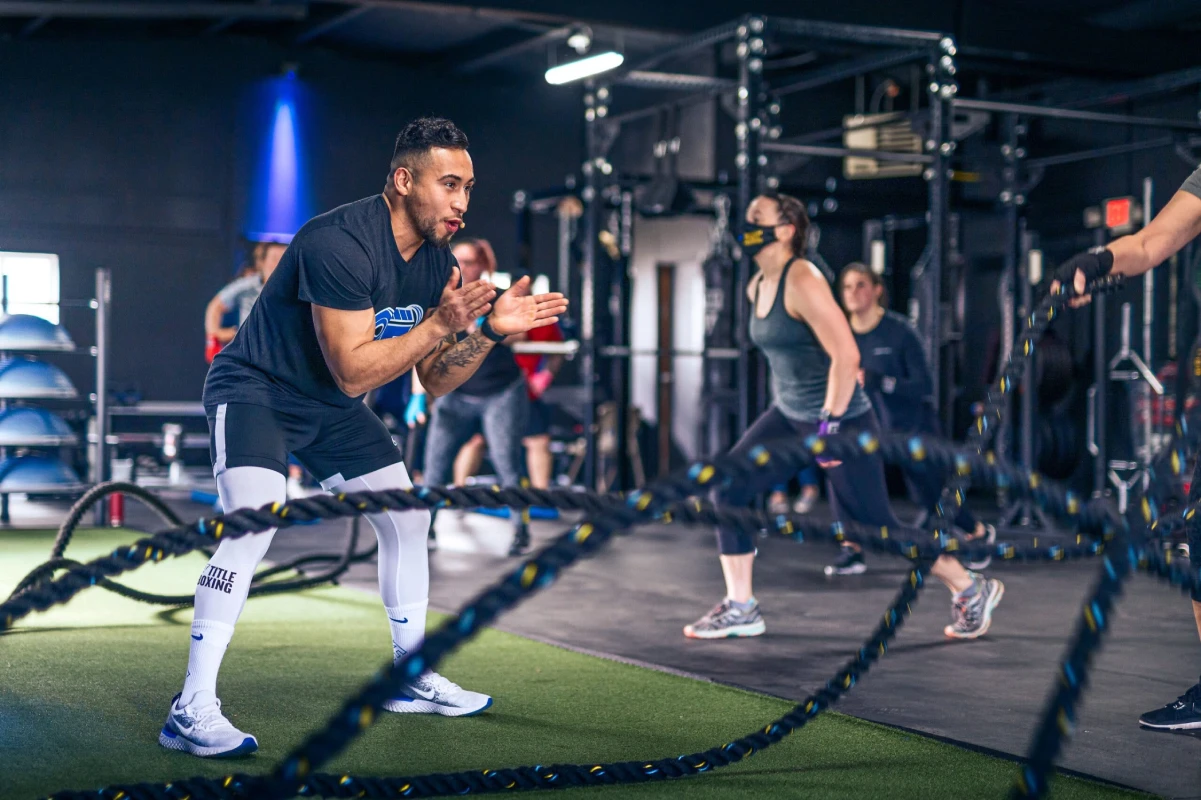
This does not mean becoming inactive. Light movement, mobility work, and recovery exercises can help athletes stay fresh while giving their bodies a break.
2. Focus on General Fitness First
When transitioning sports, athletes benefit from focusing on general athletic qualities before jumping fully into sport-specific training.
Prioritize:
- Mobility and flexibility
- Core strength
- Balance and coordination
- Basic conditioning
This foundation helps the body adapt to the new sport more safely.
3. Communicate with Coaches
One of the best things a young athlete can do is communicate with their coaches.
Let the new coach know:
- When the previous season ended
- Any injuries or soreness
- If you are coming off a long playoff run
Most high school coaches appreciate multi-sport athletes and will work with them during the transition period.
4. Embrace Being a Beginner Again
Every sport requires a different skill set. Even great athletes need time to adjust.
It is important for young athletes to embrace the learning process rather than comparing themselves to teammates who have played that sport year-round.
Growth happens when athletes stay patient and committed.
5. Prioritize Sleep and Nutrition
During transitions between seasons, recovery becomes even more important.
Athletes should focus on:
- Getting enough sleep each night
- Staying hydrated
- Eating balanced meals with protein and carbohydrates
- Refueling after practices and workouts
The better athletes take care of their bodies, the smoother the transition will be.
Why Multi-Sport Athletes Still Win
Despite the challenges, I still strongly believe in the value of multi-sport participation. Some of the best athletes I have coached were three-sport athletes who simply loved to compete.
Playing multiple sports develops:
- Athletic versatility
- Mental toughness
- Leadership skills
- Stronger overall athletic development
The key is learning how to transition between seasons in a smart and healthy way.
When athletes, parents, and coaches work together to manage those transitions, young athletes not only perform better but enjoy their sports experience much more.
And at the end of the day, that enjoyment is what keeps athletes coming back year after year.