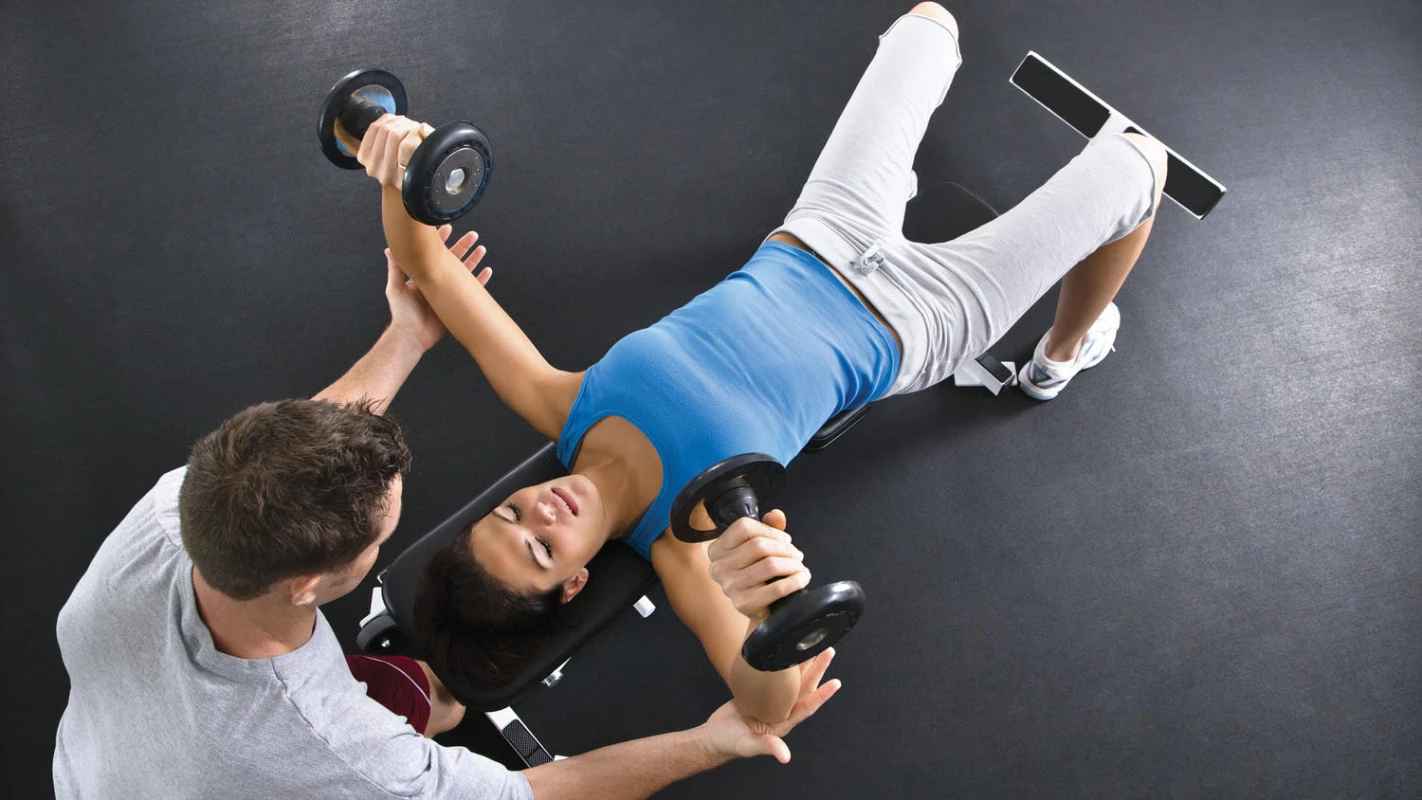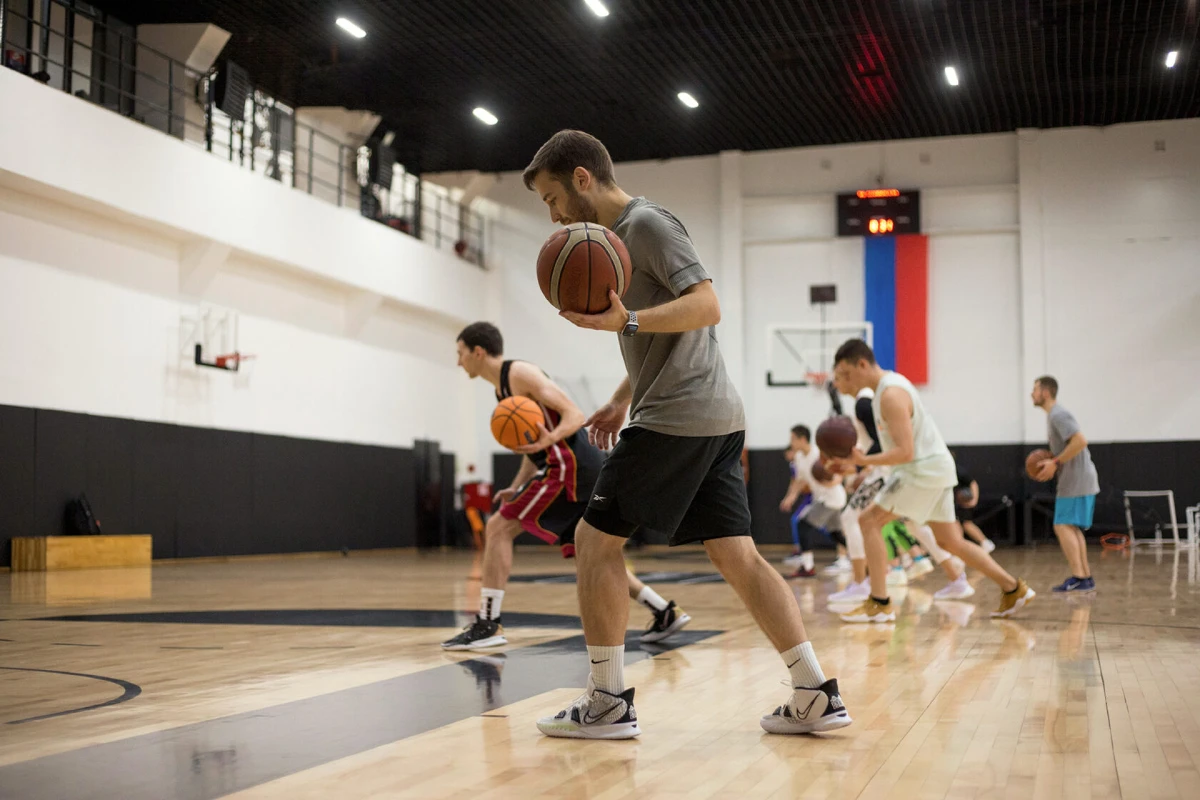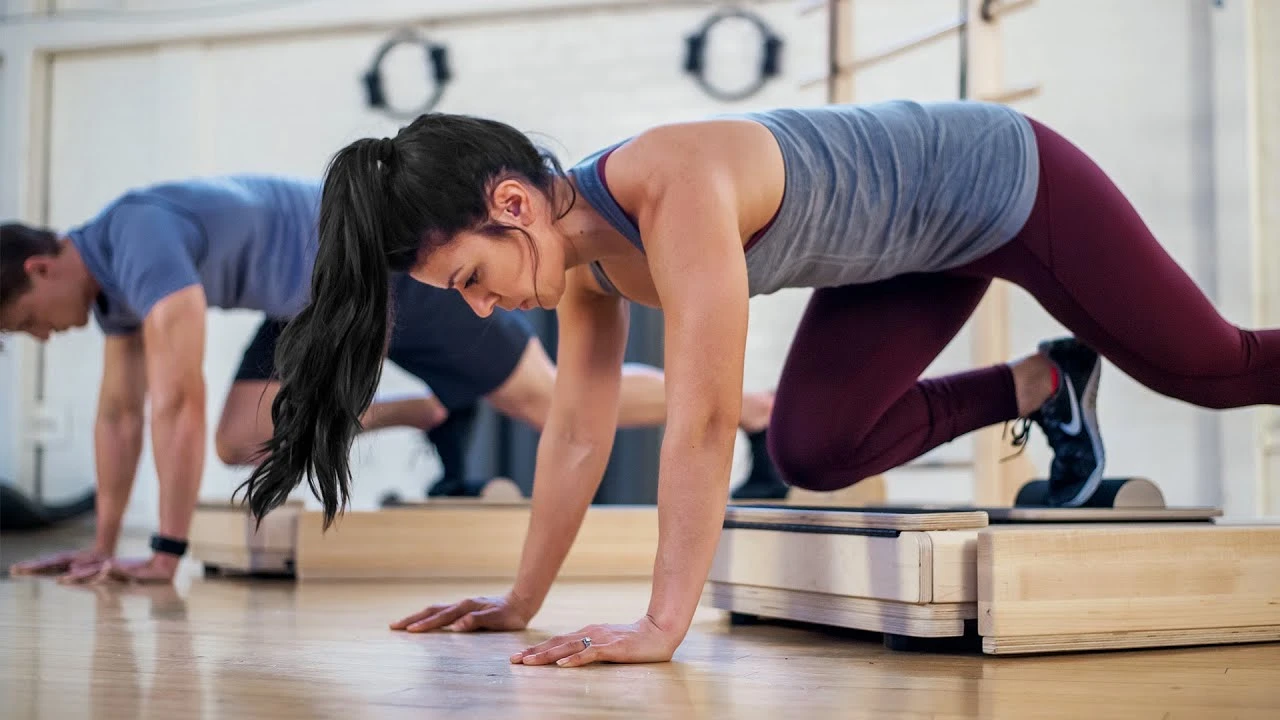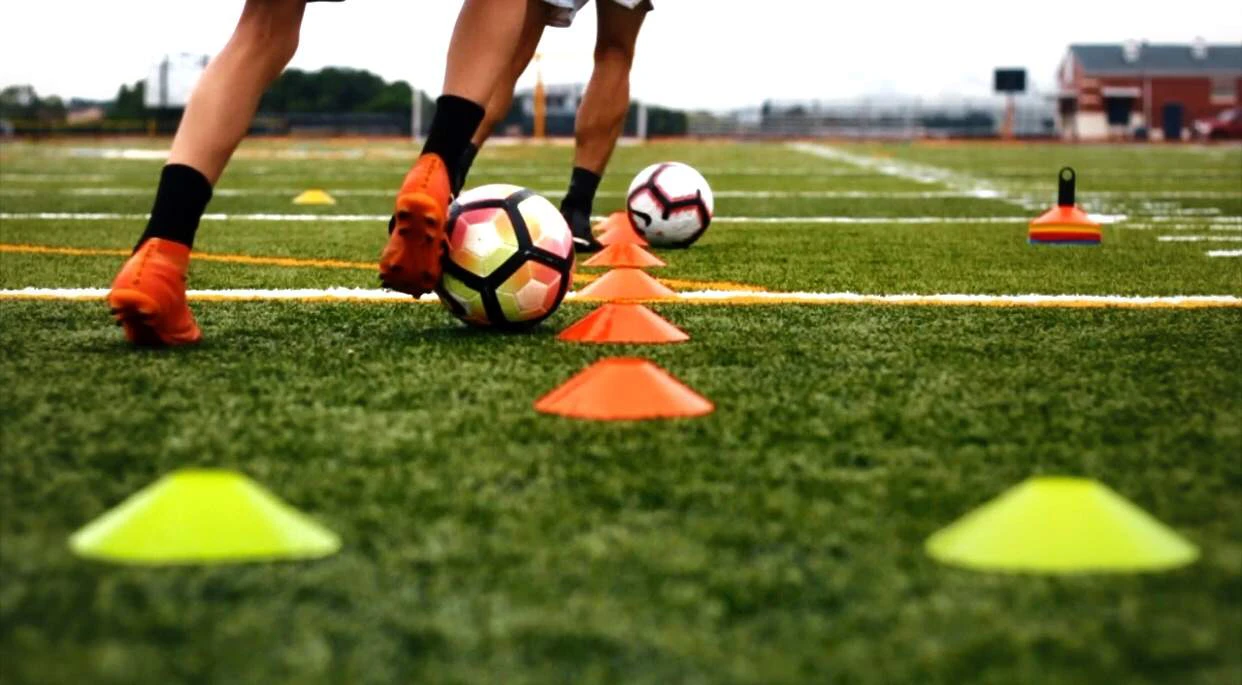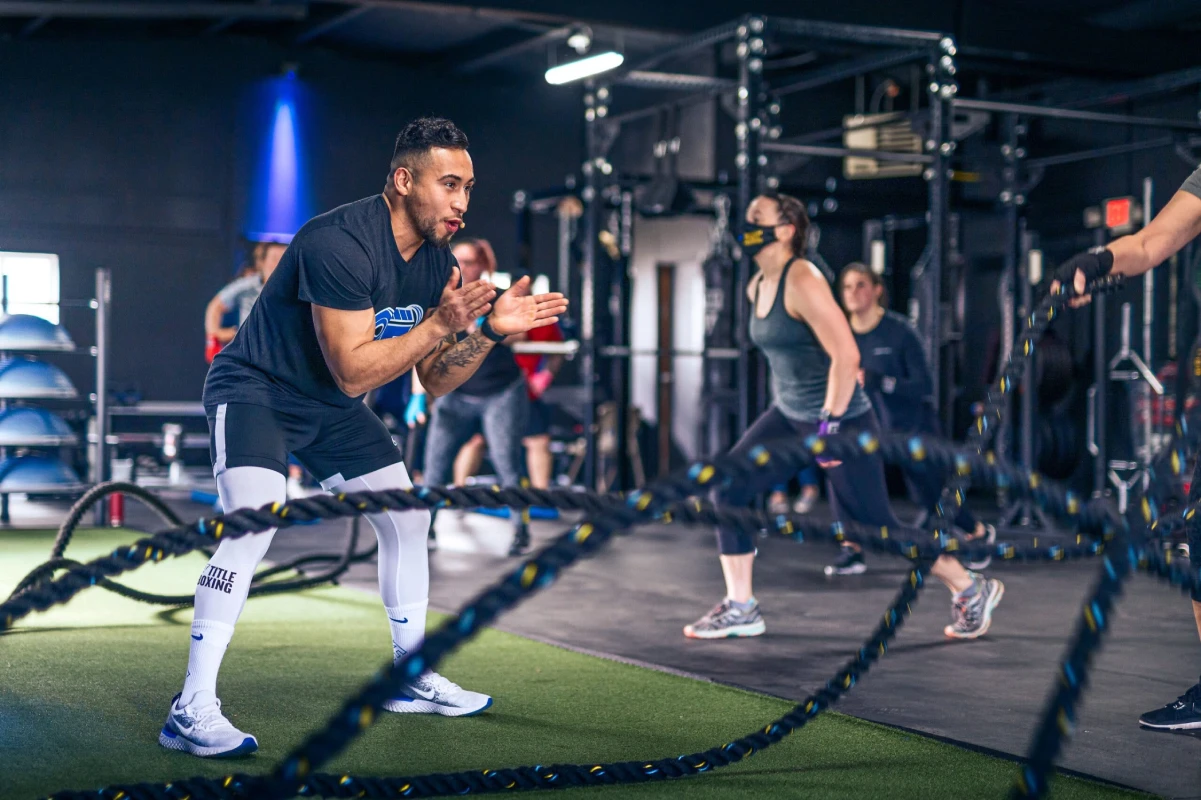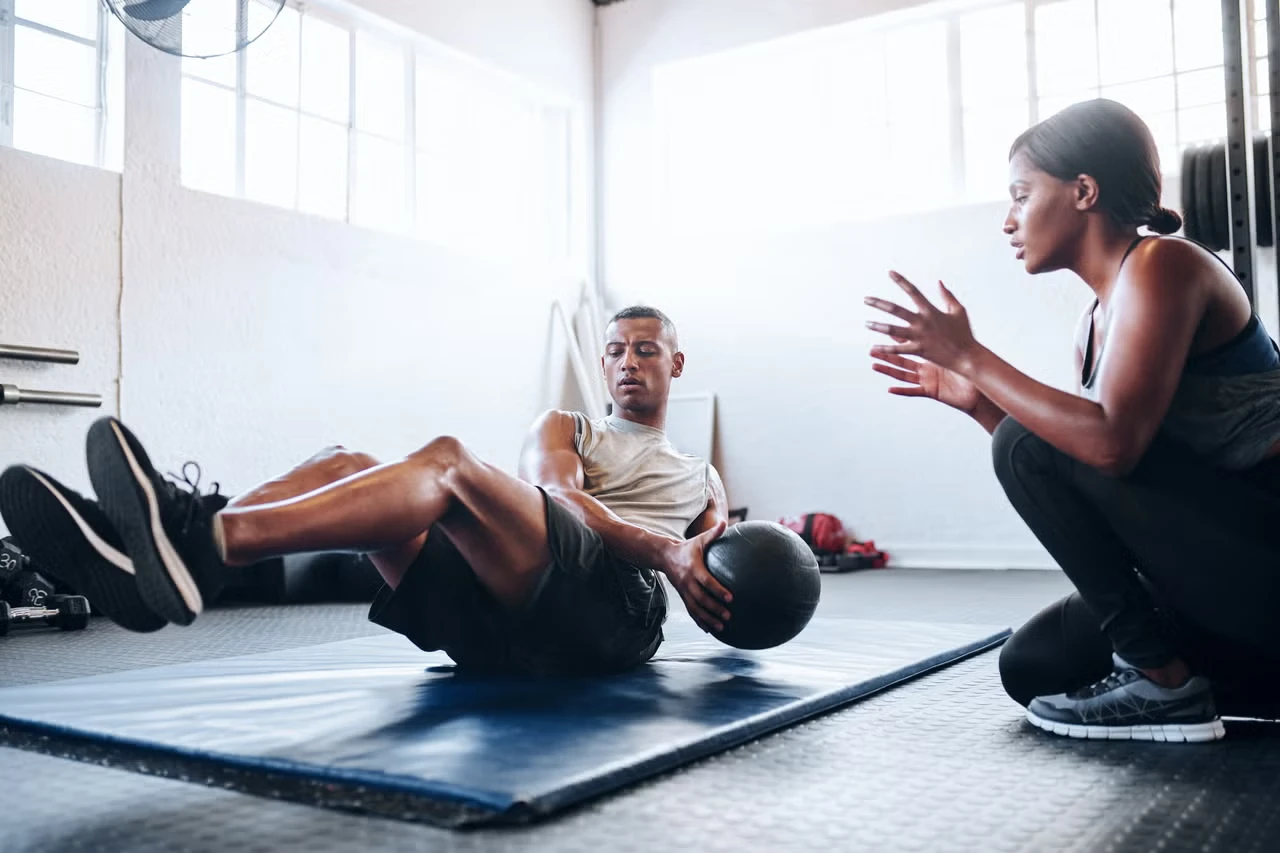
When parents search for an athletic trainer near me, they are often thinking about more than one sport. Maybe their athlete needs better speed for soccer, stronger balance for basketball, quicker reactions for baseball, or more conditioning before the next season begins.
Skill practice matters, but the body behind the skill matters too. Training 4 Athletes helps families search for athletic trainers, performance programs, camps, clinics, teams, events, and sports resources in one place, making it easier to find support that fits the athlete’s age, schedule, and goals.
When an Athletic Trainer Near Me Makes Sense for Your Athlete
An athlete does not have to be injured, struggling, or competing at a high level to benefit from better movement training. Sometimes the need shows up in small ways.
A player may look tired late in games. They may land awkwardly after jumps. They may lose balance when changing direction. They may be strong in practice but slow during live play.
Athletic Training Is Not Just Working Out
There is a difference between a hard workout and useful athletic training. A workout may make an athlete sweat. Proper training should help them move better, understand their body, and build habits that carry into competition.
Good sessions may include:
- Sprint mechanics
- Agility and cutting work
- Balance and coordination
- Core strength
- Jumping and landing control
- Mobility and flexibility
- Reaction drills
- Conditioning for game speed
- Warm-up and recovery habits
The goal is not to make athletes tired for no reason. The goal is to help them become more prepared for the movements their sport demands.
What to Ask an Athletic Trainer Near Me Before Starting
Parents should ask a few simple questions before booking.
Helpful questions include:
- What age groups do you usually train?
- Do you work with multi-sport athletes?
- How do you evaluate movement?
- Do sessions include speed, strength, and mobility?
- How do you adjust training during the season?
- What should athletes do between sessions?
- How do you focus on safe progress?
Clear answers can help parents understand whether the trainer has a plan or is only offering general exercise.
Why Movement Quality Matters
Young athletes often grow fast. Their coordination, strength, and balance may change from one season to the next. A player who looked quick last year may suddenly feel awkward after a growth spurt.
Athletic training can help athletes reconnect with their movement. It teaches control before speed, balance before power, and form before intensity.
When families look for an athletic trainer near me, they should look for someone who pays attention to how the athlete moves, not just how hard they work.
Better Training Can Support Many Sports
One of the biggest benefits of athletic training is that it can carry across sports. Better acceleration helps on the field and court.
This can help athletes who play:
- Basketball
- Baseball
- Soccer
- Football
- Softball
- Lacrosse
- Tennis
- Volleyball
- Field hockey
- Cheerleading
For busy families with more than one athlete, having a platform like Training 4 Athletes can make it easier to search for different types of sports support without starting over each time.
Build the Body That Supports the Game
The next big play often depends on the work nobody sees. A better first step, a stronger cut, a safer landing, or more energy late in the game can change how an athlete performs.
To compare local training options, explore coaches, and find programs that match your athlete’s goals, start with Training 4 Athletes when you need an athletic trainer near me.
FAQs
Q1: What age should an athlete start performance training?
Many athletes can begin once training is age-appropriate, supervised, and focused on safe movement.
Q2: Is athletic training only for competitive players?
No, it can help beginners, recreational athletes, school players, and multi-sport athletes build better movement habits.
Q3: How often should young athletes train?
One or two sessions weekly may help, depending on age, season schedule, goals, and recovery needs.
Q4: Can performance training help prevent bad movement habits?
Yes, guided training can improve control, balance, coordination, and safer movement patterns during sports.
Q5: What should parents look for in a program?
Look for clear instruction, safe progressions, age-appropriate training, communication, and sport-relevant movement work.