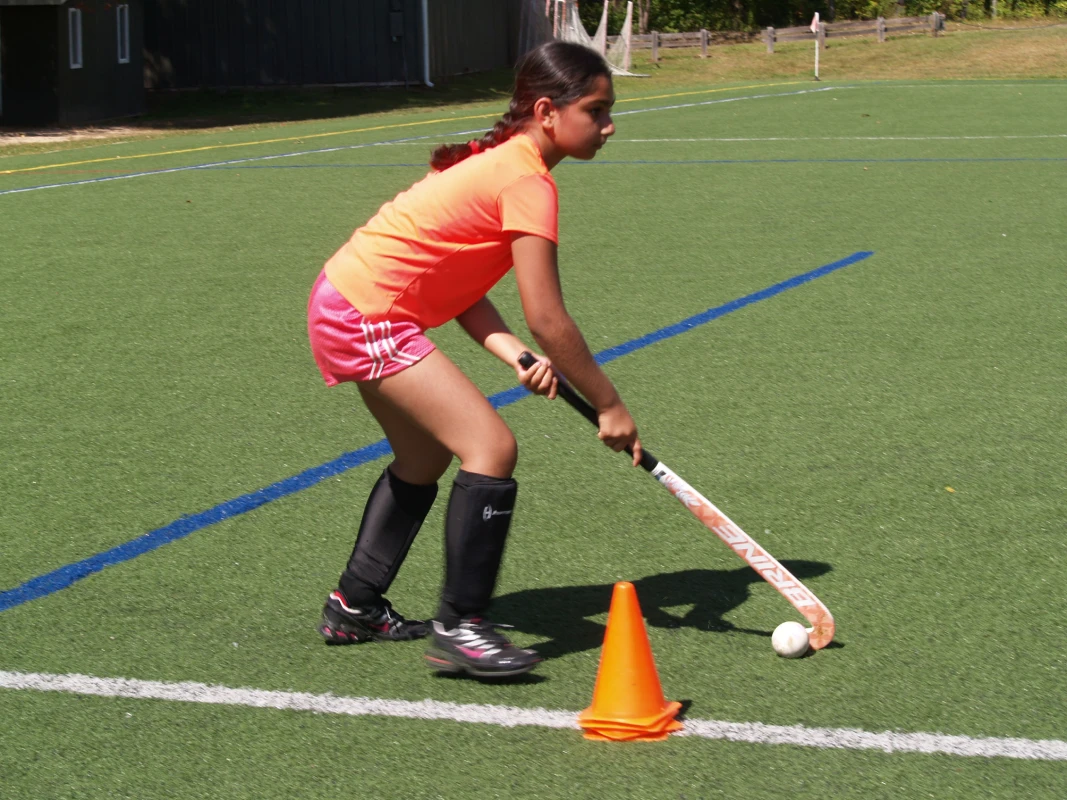
“Discover if travel baseball or softball is right for your child. Learn about development, costs, and how to get noticed by college coaches. Read the full guide!”.
Travel baseball and softball have transformed from elite-only niches into a dominant youth sports industry, often serving as the primary path for athletes seeking high-level competition and collegiate exposure. While recreational leagues focus on community and play equity, travel ball centers on merit-based playing time, intense weekend tournament schedules, and specialized skill development.
The Core Appeal: Development and Exposure
The primary reason families transition to travel ball is the “feedback loop” it provides for serious athletes.
- Elite Competition: Teams compete in regional or national showcases where they face top-tier talent, forcing players to elevate their game.
- College Recruiting: For those aiming for NCAA play, travel ball is often non-negotiable. Many college coaches attend these major tournaments specifically to evaluate recruits they are already tracking.
- Advanced Coaching: Travel organizations often hire professional instructors or former collegiate athletes, moving beyond the “parent-coach” model of community leagues.
The True Cost: Time, Money, and Physical Health
Despite the benefits, the “travel ball lifestyle” requires significant sacrifice from the entire family.
- Financial Commitment: Annual costs can range from $2,500 to over $10,000 when accounting for team fees, high-end equipment like $300+ bats, and extensive travel expenses for out-of-state tournaments.
- Time Intensity: Seasons often span year-round, with indoor winter training and summers dominated by “tent cities” at tournament complexes every weekend.
- Injury and Burnout: Early specialization—playing only one sport before age 12—is linked to a 70-90% higher injury rate. Experts from Little League warn that the “grind” can lead to mental burnout and premature dropouts.
Navigating the Right Path
Finding a team that aligns with a child’s goals is crucial. Not all “travel” teams are elite; some are “watered down” versions of local teams, while others are national powerhouses.
- Research the Culture: Before joining, check a team’s record and roster size on apps like Game Changer to see how much playing time athletes actually receive.
- Balance with High School: While travel ball offers exposure, high school sports, still play a vital role in building leadership, school pride, and character that college scouts value.
Ultimately, the best travel ball experience is one where the athlete’s passion for the game remains the priority, rather than just the pursuit of a scholarship.