Signs of Overtraining: When to Give Your Young Athlete a Rest Day
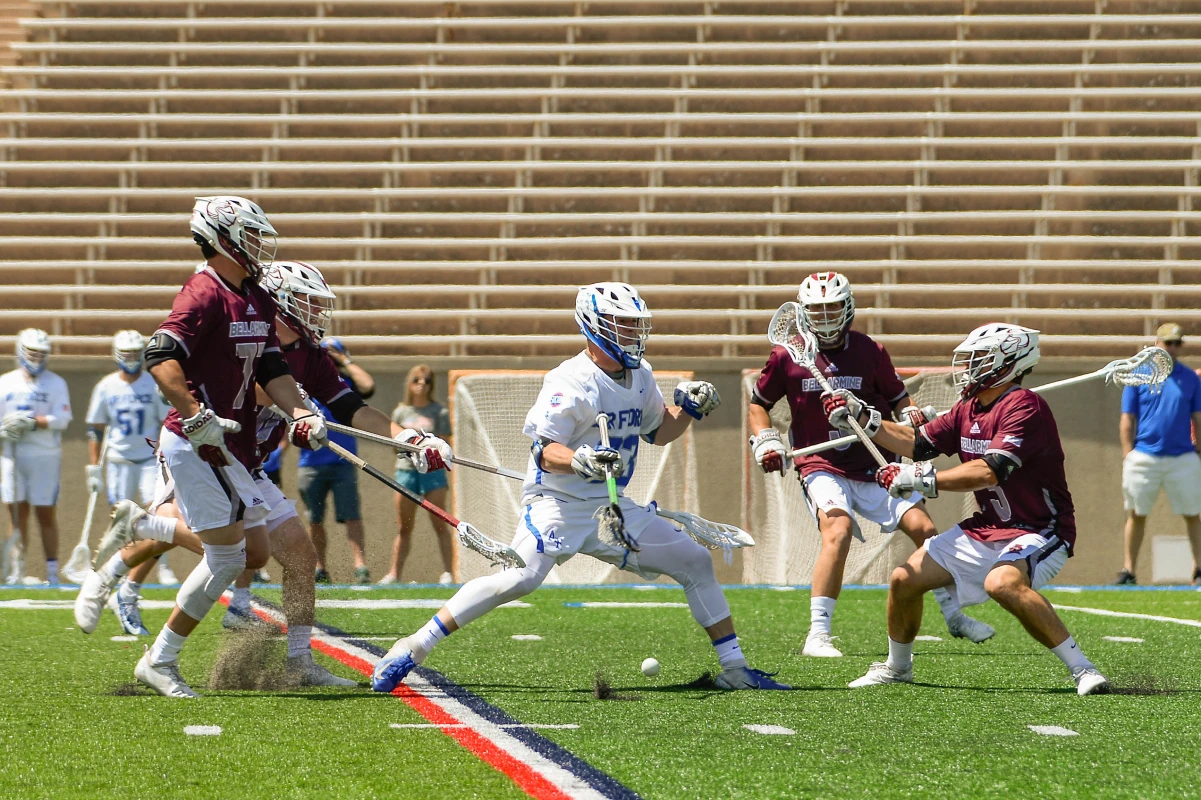
In today’s competitive sports landscape, the “no days off” mentality has trickled down from professional leagues to youth sports. Driven by a passion for the game and the dream of scholarships or elite-level play, many young athletes are now training year-round, often participating on multiple teams simultaneously. While dedication is admirable, the growing trend of specialization and high-volume training has led to a significant rise in overtraining syndrome (OTS) and overuse injuries among children and adolescents.
As a parent or coach, your role is to balance the drive for improvement with the biological necessity of recovery. Understanding the subtle signs of overtraining is crucial to ensuring your athlete stays healthy, happy, and in the game for the long haul.
Understanding Overtraining in Youth
Overtraining occurs when the frequency and intensity of exercise exceed an athlete’s ability to recover. For young athletes, whose bodies are still growing and whose nervous systems are still developing, the stakes are higher than for adults. When a child trains too hard without sufficient rest, their body remains in a constant state of physiological stress, leading to a decline in performance and an increased risk of injury. Rest days aren’t “lost” days; they are the days when the body actually gets stronger. Muscles repair, glycogen stores replenish, and the mind resets. Without them, the athlete is simply breaking their body down without allowing it to rebuild.
Physical Red Flags
Physical signs are often the most visible, but they frequently appear after the overtraining has already begun to take a toll.
1. Persistent Muscle or Joint Pain
It is normal for an athlete to feel “good sore” after a hard workout. However, pain that lingers for more than 48 to 72 hours, or pain that is localized in a specific joint (like the elbow or knee), is a major red flag. This often signals the onset of overuse injuries like stress fractures, tendonitis, or Osgood-Schlatter disease.
2. Decreased Performance
If your child is training more but performing worse, they are likely overtrained. You might notice a drop in their sprint speed, a lack of “pop” in their jump, or a decrease in overall strength. When the body is fatigued, the central nervous system cannot recruit muscle fibers efficiently, leading to a noticeable slump in stats and execution.
3. Frequent Illness
Overtraining suppresses the immune system. If your athlete seems to catch every cold going around the school or can’t seem to shake a lingering cough, their body may be diverting all its energy toward trying to repair muscle tissue, leaving them vulnerable to infection.
4. Changes in Sleep and Appetite
Paradoxically, being “over-tired” can lead to insomnia. If a child is restless at night or has trouble falling asleep despite a long day of practice, their cortisol levels (the stress hormone) may be out of balance. Similarly, a sudden loss of interest in favorite foods can be a biological signal of systemic fatigue.
Behavioral and Emotional Indicators
For many young athletes, the mental signs of overtraining appear well before the physical ones. Because children often lack the vocabulary to describe “systemic fatigue,” it frequently manifests as “attitude” or “laziness.”
1. Irritability and Mood Swings
The physiological stress of overtraining directly impacts emotional regulation. If your usually upbeat child becomes uncharacteristically moody, anxious, or irritable, it may be their nervous system’s way of saying it has had enough.
2. Loss of Interest (The “Burnout” Factor)
When a sport stops being fun and starts feeling like a job, burnout is imminent. If your athlete begins making excuses to skip practice or loses the “spark” they once had for the game, it’s a clear sign that the mental load has become unsustainable.
3. Difficulty Concentrating
Fatigue isn’t just physical; it’s cognitive. Overtrained athletes may struggle to remember new plays, lose focus during drills, or see their grades slip at school. This “brain fog” is a common symptom of a body that is stuck in a sympathetic (fight or flight) state.
The Science of Recovery: Why Rest is Mandatory
To a young athlete, a rest day can feel like a missed opportunity to get better. However, explaining the Supercompensation Cycle can help them understand that rest is a technical requirement for success.
When we train, we create micro-tears in the muscle and stress our bones. During rest, the body heals these tissues to be slightly stronger than they were before. If we skip the rest, we miss the “strengthening” phase and stay in the “damage” phase. For a developing body, constant damage without repair can lead to growth plate issues and long-term structural problems.
When to Mandate a Rest Day
As a parent or coach, you should consider implementing a mandatory rest day if you observe two or more of the symptoms listed above. Here are some general guidelines for a healthy training schedule:
-
- The 1-Day Rule: Every young athlete should have at least one full day off per week from all organized sports.
- The Seasonal Rule: Athletes should take at least 2–3 months off per year from a single sport (this can be broken into 1-month chunks) to prevent overuse and mental burnout.
- The Hour Rule: A common recommendation from pediatricians is that a child should not participate in more hours of organized sport per week than their age (e.g., a 12-year-old should not exceed 12 hours of training).
Conclusion
The path to athletic excellence is a marathon, not a sprint. While hard work is necessary, the most successful athletes are those who learn to listen to their bodies. By recognizing the signs of overtraining early—from persistent aches to a simple loss of enthusiasm—you can intervene before a minor fatigue turns into a major injury.
Encourage your athlete to view rest as a vital part of their training program, just as important as their drills or their diet. By prioritizing recovery today, you are ensuring they have the health and passion to keep playing tomorrow.
Don’t let fatigue turn into injury. Learn the physical & mental signs of overtraining in youth athletes. Book a recovery-focused training session in Philadelphia area today!